
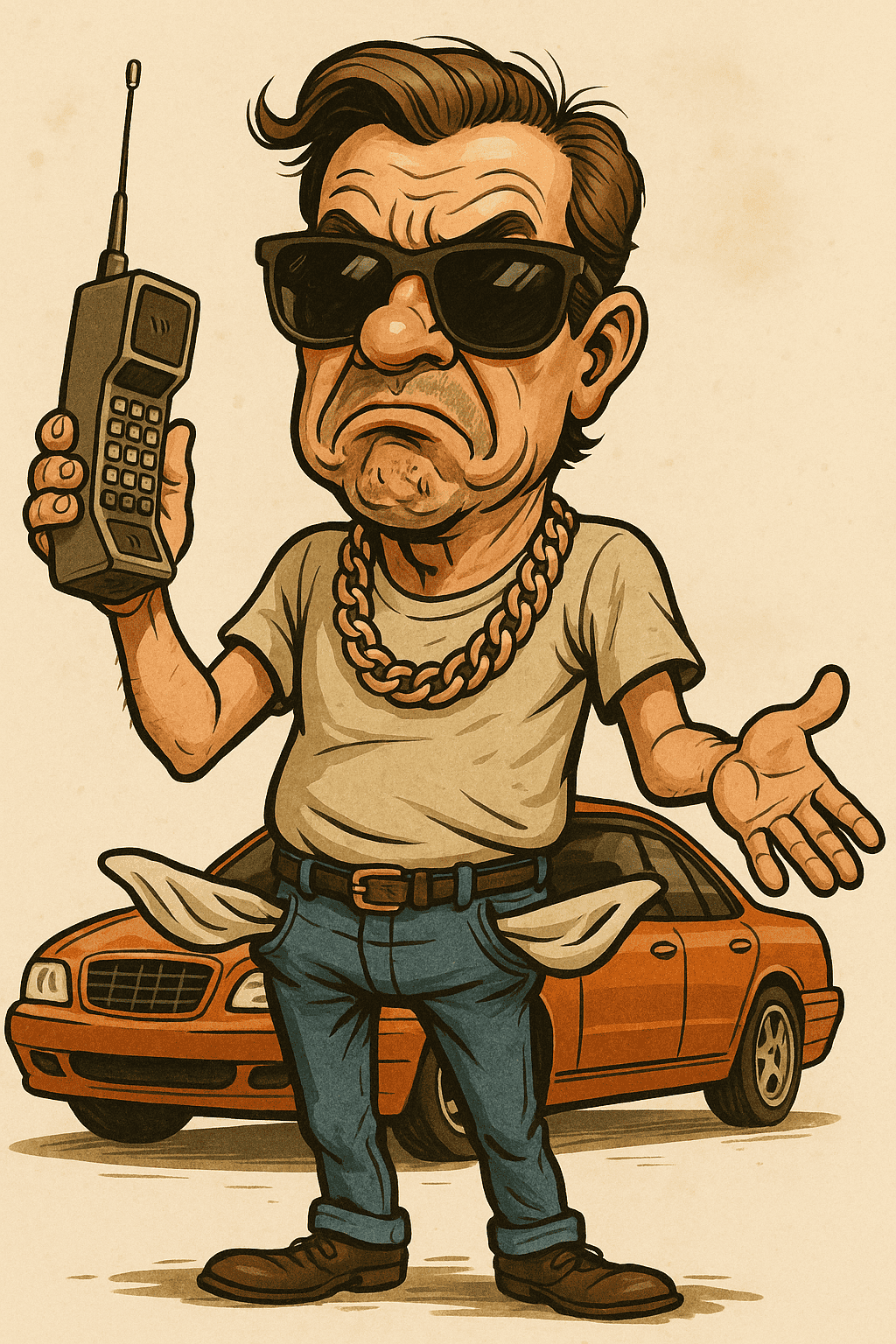
In-Kind Payments and Child Support in Minnesota: What Counts as Income?
When Minnesota courts calculate child support, they look at more than your paycheck. Gross income is defined broadly, and one part of the statute that often surprises people is the inclusion of employee benefits in kind. That phrase means certain perks from your employer, such as a cell phone reimbursement or use of a company car, can be counted as income if they reduce your personal living expenses.
This may sound like hair-splitting legal language, but it can make a real difference in how much child support a parent pays or receives. Let’s break it down with practical examples, so you know what counts, what does not, and why it matters.
What Does In-Kind Mean for Child Support Purposes?
The simplest way to think about in-kind payments is this: if your employer pays for something you would normally pay for yourself, that benefit may be counted as income for child support. Minnesota Child support law does not care whether the money hits your checking account; it only cares that your living expenses are reduced.
For example, if you receive a monthly allowance for meals, or your company provides you with a car that you use for personal errands, those savings increase your financial ability to pay child support. The statute behind this is Minn. Stat. § 518A.29, which says that gross income includes employee benefits in kind, or in lieu of cash, if they reduce personal living expenses.
Cell Phone Reimbursements and MN Child Support
Cell phone reimbursements are one of the most common in-kind benefits that come up in child support cases. If your employer covers your cell phone bill or reimburses you each month, courts often treat that as income. The reasoning is straightforward. If you do not have to pay for your own phone service, that frees up money for other personal expenses, and that increased ability to pay can raise your support obligation.
If the phone is strictly work-related, for example, a company-owned device with no personal use, it may not count as income. But in practice, most people use the same phone for both work and personal use, and reimbursements usually reduce personal costs. Parents should expect courts to add at least part of that benefit into the income column.
Company Cars as In-Kind Income
Another classic example is the company car. If your employer provides a vehicle and covers gas, insurance, and maintenance, that benefit has significant value. Even if the company technically owns the car, your personal living expenses are reduced because you do not have to buy or maintain your own.
Minnesota courts regularly count company cars as income when they are available for personal use. If you only drive the car for business purposes, that is different, but the reality is that most people use these cars outside of working hours too. It is not just about wheels to get to the office; it is about how much cash you save by not owning a vehicle yourself.
An interesting note, if your employer leases you a F-350 duallie truck because you’re a foreman and need to haul things, well, this could be argued as a normal person doesn’t need that truck, it’s so work-focused, and it might not count as in-kind income.
Lunch Allowances and Meal Perks
Food benefits are another area where in-kind income appears. If your employer pays you a regular meal allowance or provides a predictable per diem for lunches, those payments reduce your grocery bill. Courts can treat that as income.
For instance, if your lunch costs are consistently covered, that might save you a few hundred dollars each month. That savings increases your disposable income, which is exactly what the statute is designed to capture. On the other hand, occasional free meals at the office do not usually count. The difference lies in whether the benefit is ongoing and predictable.
Housing Benefits and Living Expense Allowances
Housing allowances and free housing are perhaps the most obvious in-kind benefits that courts count. If your employer pays for an apartment or provides housing on company property, you are saving hundreds or even thousands of dollars a month. That reduction in living expenses is clearly income for child support purposes.
This often comes up with military families, where housing allowances are a normal part of pay, or with employees working overseas. The consistent principle is that if you are living somewhere at reduced or no cost, those savings affect your ability to contribute to support.
Other Types of In-Kind Payments That May Count
Minnesota courts have looked at a variety of other benefits that can count as income. These include:
- Clothing allowances or stipends for work apparel, if they reduce your personal clothing expenses
- Travel allowances or reimbursements, when they go beyond work-only expenses and offset personal costs
- Gift cards or store credits from employers, if they can be used for personal needs
Each of these depends on whether the benefit meaningfully lowers your personal living costs. The key question is always: would you normally have to spend your own money on this item? If the answer is yes, and your employer is covering it instead, then it may be counted.
What Does Not Count as In-Kind Income
Not every benefit is treated as income. Employer-paid health insurance premiums are the biggest example. In Minnesota, the portion of health insurance that covers the employee is not considered income for child support purposes. Similarly, one-off reimbursements for specific work expenses usually do not count, since they do not reduce your personal living costs.
Why In-Kind Income Matters in Child Support Cases
These details matter because they directly affect the calculation of child support. Parents often get frustrated when something like a phone bill reimbursement is added into their income, since they never see that money in their account. But the law is not concerned with whether it is cash in your hand, only with whether your expenses are lighter because of it.
For parents receiving support, understanding in-kind income is equally important. If the other parent has a job with generous perks, that may increase their ability to pay. Knowing how these rules work can help you advocate for a fair calculation.
Practical Guidance for Parents
If you are paying support, be prepared to disclose reimbursements and perks on your financial forms. Courts expect transparency, and failing to list benefits can create credibility problems later. If you want to argue that a benefit is strictly work-related and does not reduce personal expenses, keep records to back it up.
If you are receiving support, be aware of the benefits your co-parent receives. Company perks might not show up on a pay stub, but they can and should be considered in the income calculation.
Conclusion
In-kind payments may not seem like income at first glance, but under Minnesota law they can make a big difference in child support. From cell phone reimbursements to company cars, from lunch stipends to housing allowances, the focus is always on whether personal living expenses are reduced.
Understanding this part of the law helps both parents plan and avoid surprises. While you cannot pay child support with a sandwich or a free ride, those benefits can and do affect the bottom line when the court sets support.